Indian Association for the Cultivation of Science (IACS), Kolkata – Courses, Admission, Research, Facilities & Career Opportunities

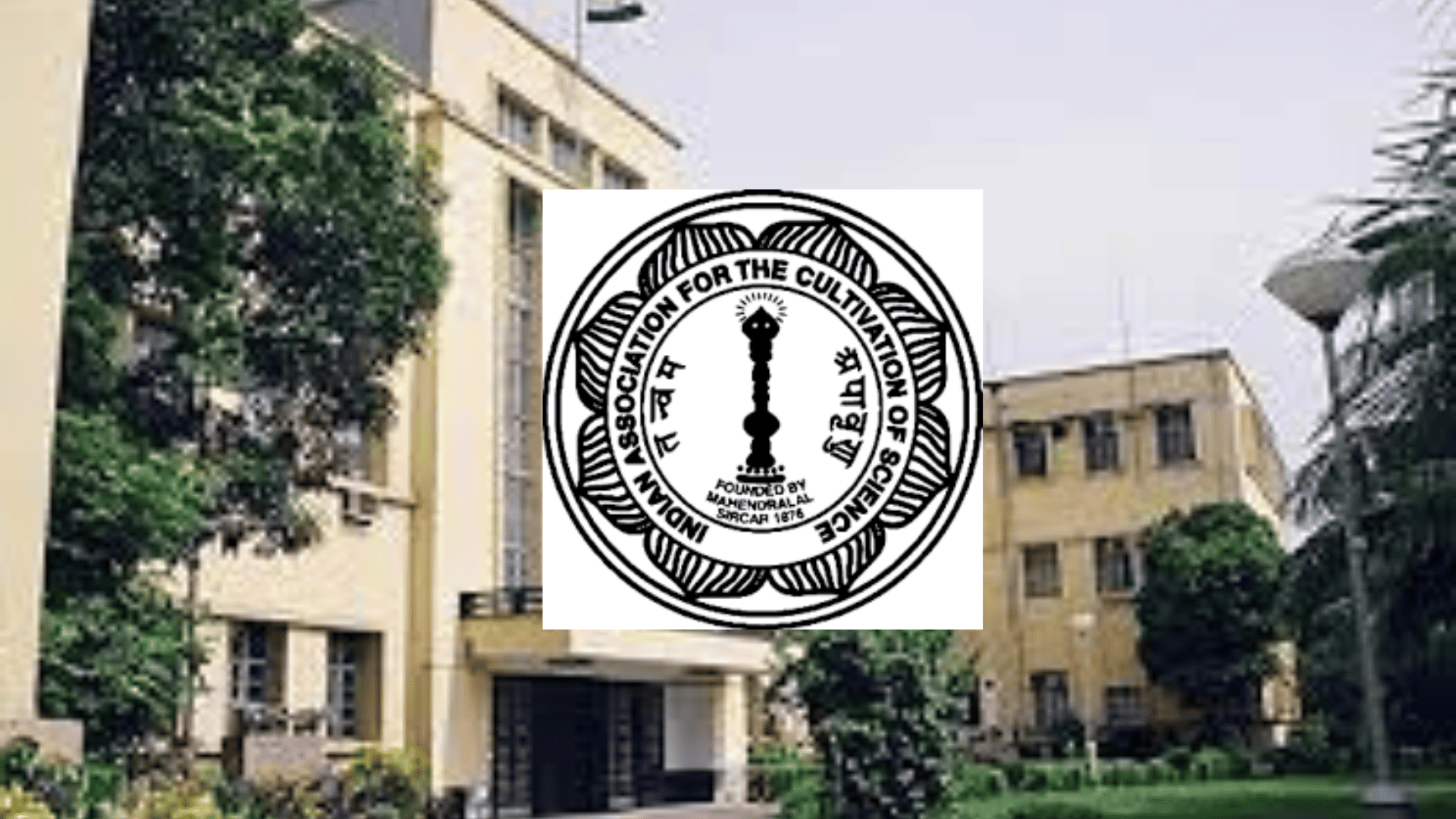
Indian Association for the Cultivation of Science (IACS), Kolkata – Courses, Admission, Research, Facilities & Career Opportunities
Indian Association for the Cultivation of Science (IACS) is India's oldest national research institute dedicated to scientific research and advanced education in basic sciences. Founded in 1876, it is internationally known for groundbreaking discoveries, including the work of C. V. Raman, who conducted research at IACS that led to the discovery of the Raman Effect.
About the Institute
The Indian Association for the Cultivation of Science was established in 1876 by Mahendra Lal Sircar in Kolkata.
It is an autonomous institute funded by the Department of Science and Technology.
The institute focuses primarily on:
Fundamental Scientific Research
Advanced Postgraduate Education
Doctoral Research
Interdisciplinary Science
IACS is not a conventional university offering a wide range of undergraduate programs. Instead, it specializes in high-level research and postgraduate studies.
Key Highlights
Established: 1876
Location: Kolkata, West Bengal
Institute Type: Autonomous Research Institute
Funding Agency: Department of Science and Technology (DST), Government of India
Academic Focus: Basic Sciences and Advanced Research
Programs Offered: Integrated PhD, PhD, Postdoctoral Research
Why Choose IACS
One of India's oldest scientific institutions
Historic association with Nobel Prize-winning research
Strong emphasis on fundamental science
World-class research laboratories
Highly respected faculty and scientists
Excellent opportunities for research careers
Strong national and international collaborations
Historical Significance
IACS occupies a unique place in Indian scientific history.
The institute is famous because C. V. Raman carried out experiments here that led to the discovery of the Raman Effect, for which he received the Nobel Prize in Physics in 1930.
This achievement made India a significant contributor to global scientific research.
Academic Programs
Integrated PhD Programs
Students with a bachelor's degree can pursue Integrated PhD programs in:
Physics
Chemistry
Biological Sciences
Mathematical Sciences
PhD Programs
Doctoral research opportunities are available in:
Physics
Condensed Matter Physics
Quantum Physics
Optics
Materials Science
Chemistry
Organic Chemistry
Inorganic Chemistry
Physical Chemistry
Theoretical Chemistry
Biological Sciences
Molecular Biology
Genetics
Biochemistry
Cell Biology
Mathematical & Computational Sciences
Applied Mathematics
Computational Modeling
Data-driven Scientific Research
Research Areas
Major research fields include:
Physics
Chemistry
Biology
Materials Science
Nanotechnology
Quantum Science
Computational Science
Chemical Sciences
Energy Research
Environmental Science
Admission Process
Integrated PhD Admission
Admissions are generally based on:
National-level entrance examinations
Academic performance
Interviews
PhD Admission
Selection may involve:
CSIR-NET
GATE
JEST
INSPIRE
Other national fellowships
Research interviews
Admission requirements vary by department and program.
Research Facilities
IACS houses advanced facilities such as:
High-end research laboratories
Spectroscopy facilities
Nanoscience laboratories
Materials characterization centers
Computational research facilities
Advanced instrumentation centers
These facilities support cutting-edge scientific research.
Career Opportunities
Students graduating from IACS often pursue careers in:
Scientific Research
University Teaching
National Research Laboratories
International Research Institutions
Advanced Technology Development
Data Science and Computational Research
Scientific Consultancy
Major Career Destinations
Researchers and graduates often work in organizations such as:
Council of Scientific and Industrial Research (CSIR)
Indian Space Research Organisation (ISRO)
Defence Research and Development Organisation (DRDO)
Bhabha Atomic Research Centre (BARC)
Leading universities and research institutes in India and abroad
Campus Facilities
Research laboratories
Scientific instrumentation centers
Central library
Computational facilities
Hostel accommodation
Seminar and conference halls
Research collaboration centers
Student Life
Life at IACS is heavily research-oriented.
Students generally participate in:
Research projects
Scientific seminars
International conferences
Workshops and training programs
Collaborative research activities
The institute provides an academic atmosphere focused on scientific discovery and innovation.
Scholarships & Fellowships
Students may receive support through:
CSIR Fellowships
UGC Fellowships
DST INSPIRE Fellowships
Research Assistantships
Government-funded research grants
Frequently Asked Questions
1 Is IACS a university?
IACS is primarily a research institute and higher education center focused on postgraduate and doctoral research.
2 Where is IACS located?
In Kolkata.
3 What is IACS famous for?
It is famous for the discovery of the Raman Effect by C. V. Raman.
4 Is IACS good for research?
Yes, it is considered one of India's premier institutions for research in physics, chemistry, biology, materials science, and related fields.
Final Words —
IACS is an excellent choice for students interested in:
Physics Research
Chemistry Research
Biological Sciences
Mathematics & Computational Science
Scientific Innovation
PhD and Research Careers
Its strongest advantages are its historic scientific legacy, world-class research environment, distinguished faculty, and contribution to India's scientific advancement.
Stay Connected With Mentoring Minds For More University Updates Admission Guidance And Career Tips.
Powered by Froala Editor